BACKGROUND
The United States, in trend with the rest of the world, is experiencing a major population demography shift, with the population of people aged 65 or older projected to reach 80.8 million by 2040. In a world facing a rapidly aging population and strains on traditional caregiving, there is an increasing need for technology to serve as a catalyst for transforming home healthcare into a proactive, intelligent, and personalized experience.
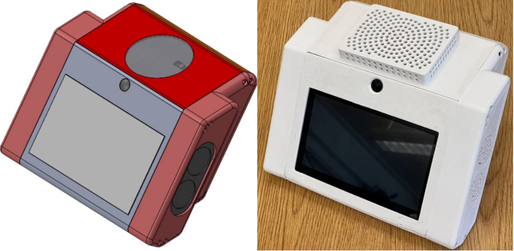
SUMMARY OF TECHNOLOGY
Oklahoma State Researchers have designed an AI-powered Intelligent Homecare System (IHS) designed to support elderly health monitoring, proactive intervention, and communication within home and caregiving environments. IHS integrates advanced sensing hardware, including camera, microphones, and embedded AI processing, with sophisticated software for edge AI-based anomaly detection, health coaching, and telehealth communication. Its user-friendly, privacy-conscious design addresses physiological engagement barriers and facilitates seamless connectivity between older adults, informal caregivers, and healthcare providers. The IHS shapes the future of eldercare by pairing technology with compassion, turning homes into intelligent hubs of health, communication, and care.
POTENTIAL AREAS OF APPLICATION
- Telehealth & Remote Health Monitoring—Elderly, Disabled, Chronically Ill
- Smart Home Automation—Lighting, Temperature, Security
- Independent Living Communities
- Post-Acute Rehabilitation Centers
MAIN ADVANTAGES
- Adaptive Human-Machine Interface
- AI-Powered Edge Sensing & Anomaly Detection
- Health Coaching & Proactive Intervention
- Comprehensive Daily Living Support
- Reduce Caregiver Fatigue